About
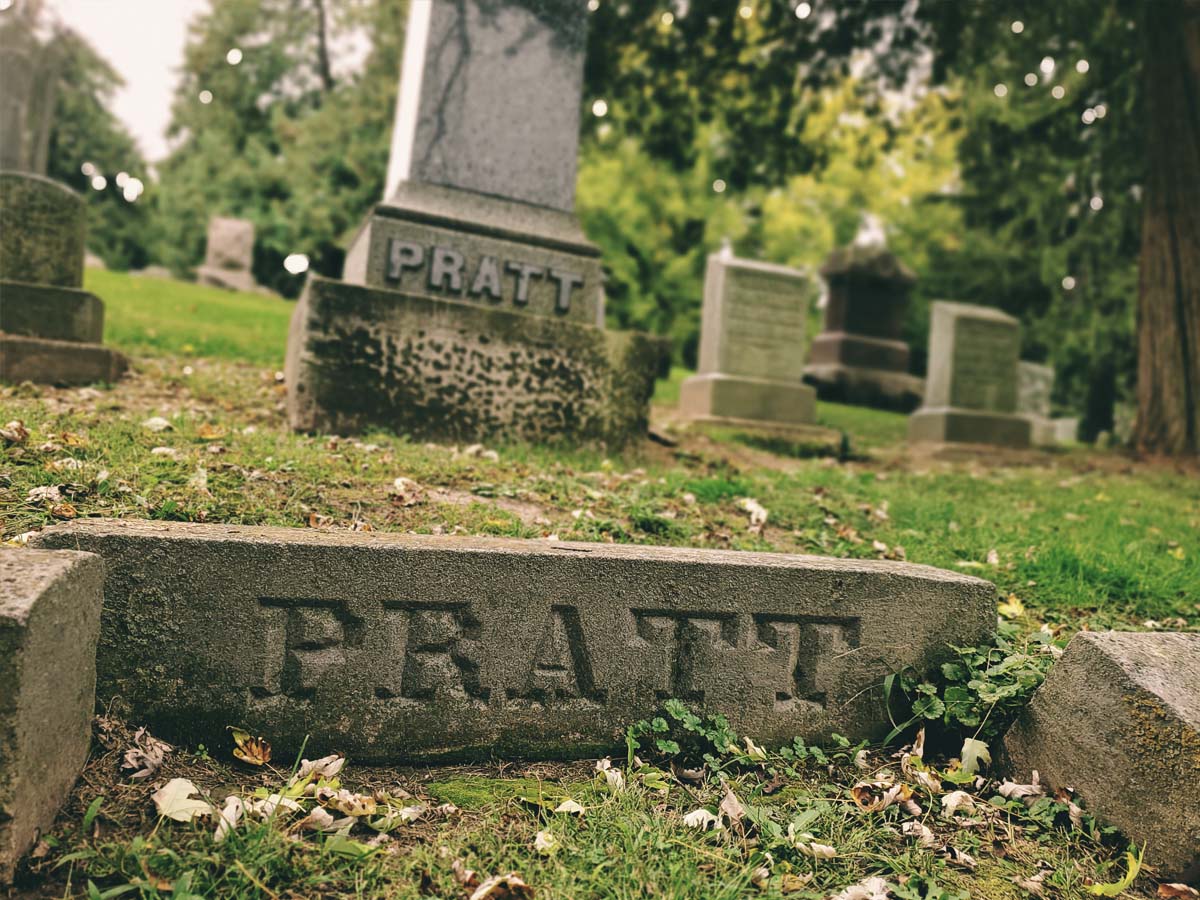
The Morris Pratt Institute is one of the most unusual pieces of Wisconsin’s Spiritualist history. Founded by Morris Pratt in Whitewater in 1889 as the Temple of Science, the institution was created to study and practice Spiritualism, a movement based on the belief that people could communicate with the spirit world. Pratt had made his fortune after investing in northern Wisconsin land following advice from a Spiritualist medium, then used that wealth to build the institution. The Whitewater building included lecture halls, classrooms, dormitories and an all-white séance chamber, and attracted Spiritualists from around the country. Locals gave it less reverent names, including “Pratt’s Folly” and the “Spooks Temple,” while rumors that the building was a school for witchcraft helped establish the supernatural reputation that still follows Morris Pratt today.
After Pratt died in 1902, the Temple of Science became the Morris Pratt Institute and developed into a formal school combining conventional subjects such as history, mathematics, literature and rhetoric with Spiritualist studies including mediumship, psychic research and Spiritualist philosophy. The school remained active into the 1930s before declining enrollment, the Great Depression and waning interest in Spiritualism forced it to close and eventually leave Whitewater. The original building at 300 Center St. was later used as student housing by what is now UW-Whitewater before being demolished in 1961 to build a new office for the phone company. As the university student newspaper The Royal Purple wrote in 1981, “Long-distance communication with the dead had been replaced by long-distance calls to the living.”
The institute relocated to the Milwaukee area and established its current home, built in 1946.
Today, the Morris Pratt Institute remains an educational organization devoted to Modern American Spiritualism and maintains a physical building where visitors can tour the facility, browse its libraries and attend select in-person events. The first floor contains two library/study areas and a gift shop, while the upper level includes a classroom used for Spiritualist services and public events. The collection includes historic Spiritualist books and other research material, making the institute a place to explore the actual history behind a belief system that helped fuel many of Whitewater’s ghost stories and “Second Salem” legends. The original Whitewater temple is gone, but its history, photographs and documented records survive in Wisconsin historical collections and at the institute itself.
Photos

Morris Pratt Institute in Wauwatosa
Map
Sorry, no records were found. Please adjust your search criteria and try again.
Sorry, unable to load the Maps API.